


Allan Thræn is a software developer, architect, and entrepreneur with more than 25 years of experience building digital solutions. He brings together technical expertise and practical problem-solving to create meaningful business outcomes.
His background includes extensive work with complex CMS and e-commerce platforms, particularly Optimizely (formerly Episerver), where he holds recognition as an Optimizely Most Valuable Professional (OMVP).
Since 2018, Thræn has operated CodeArt ApS, his own firm focused on helping organisations maximise their Optimizely implementations through architecture, development, integrations, and open source contributions.
Since 2023, an increasing share of his work has been based on AI-driven development — encompassing both intelligent product features and workflow optimisation tools. He actively contributes to the developer community as a blogger and speaker.
At umage.ai, he concentrates on transforming AI from theoretical concept into practical, business-focused solutions that integrate with existing systems and generate measurable value.
Areas of Expertise: Optimizely · AI Sovereignty · Rapid Prototyping · RAG · Agent-based Development · Web Content Management
Latest articles by Allan
Twenty-Six Years Later, the Inmates Still Run the Asylum — They Just Got Better at Hiding It
A signed copy of Alan Cooper's 1999 book arrived with a handwritten note calling good user experience a power struggle. After a career spent fighting that struggle, I wanted to know whether generative AI and vibe coding have actually solved it, or just made it look resolved.

Long-Distance Relationship: You and Your LLM — the Slides, and What's Coming
I gave this talk today at Future Coding Day 2026 in Copenhagen. Here's the one-sentence version, the slide deck to download, two other talks from the day worth your time, and where the fuller write-ups are headed next.
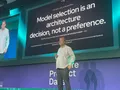
Leverage — The CMS Edits One Item at a Time. The Work Doesn't.
Editorial work arrives in batches — a product rename across two hundred support articles, five hundred FAQs that should become blocks, an SEO refresh across a whole section. The productivity group in Editor Power Tools exists for exactly that: bulk editing, bulk import, and the views that keep a site's operational rhythm visible.
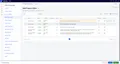
umage.ai is now an Optimizely Silver Solution Partner
umage.ai is officially an Optimizely Silver Solution Partner. The badge formalises an alignment that was already there — agent-driven Optimizely work on our side, Optimizely's own investment in AI on theirs.

Moving from Personal Claude to a Teams Account — Without Losing Your Setup
Anthropic doesn't merge your personal Claude history into a Teams workspace, and they bill you for both plans during the overlap. Here's how I run personal, Teams, and a local-LLM agent side-by-side, and how to drag the useful bits of your old account across without an import button.

Visibility — The Six Audits I Run on Every Optimizely Engagement
Long-running content management systems accumulate problems that never throw exceptions. The Editor Power Tools audit family is six lenses on what your CMS hides — what's quietly broken, and what a planned change is about to touch.

Editor Power Tools — Open-Sourcing the Optimizely Toolkit I Kept Rebuilding
Great web experiences come from great content, and great content needs the right tools. Editor Power Tools is a free, open-source Optimizely CMS 12 and 13 add-on with nearly twenty audits, bulk-edit helpers, and editorial productivity tools — the toolkit I kept rebuilding for clients, now bundled into one NuGet package.

Optimizely CMS 11 Is Out of Support — and the Hard Part of the Upgrade Isn't the CMS
On 10 April 2026, Optimizely formally announced that CMS 11 was out of support — CMS 13 had reached GA on 31 March, and by policy only the two most recent major versions stay supported. The CMS-to-CMS upgrade itself is well-trodden ground. The runtime jump, the Find-to-Graph rewrite, and the decade of customisations layered around the platform are where the engineering hours actually go.

Shell Hygiene — The First-World Problem of Running Too Many Agents
Running AI coding agents in parallel is the obvious next productivity gain. Keeping track of which terminal belongs to which project is the hidden tax — and a skill most of us are about to develop whether we notice or not.
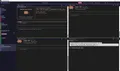
AI Sovereignty Is Two Questions — Most Teams Only Answer One
AI sovereignty usually gets framed as a data-residency question. That half gets attention. The other half — whether the workflow you built today still runs next quarter — often doesn't. Here's how we think about both at umage, and how we actually run it.

Work with Allan
Reach out to start a conversation about your next AI initiative.